Nvidia CEO Return Triggers Record Nasdaq Rally, But Analysts Warn of Future Headwinds
Jensen Huang's return to the Nvidia CEO role triggered a record-breaking market rally, but analysts warn that Fed policy and AI profitability questions could limit the rebound's longevity.
By News Media House Staff ·
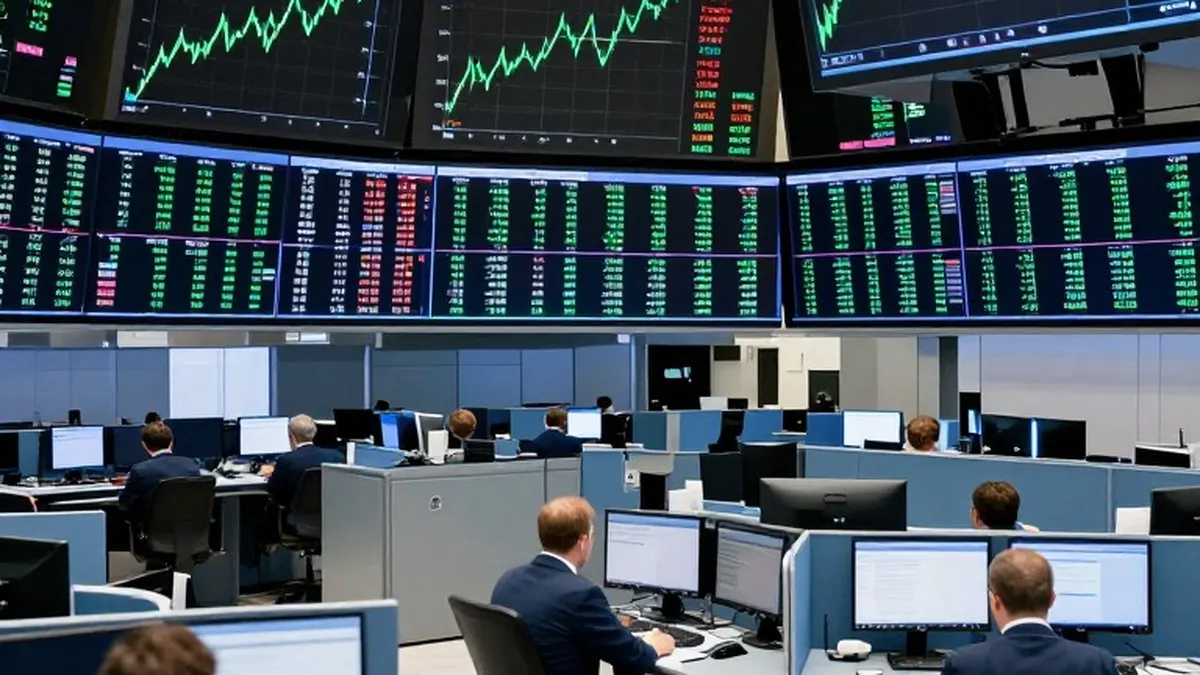
The reinstatement of Jensen Huang as CEO of Nvidia on Monday sparked a historic surge in U.S. equities, marking the strongest opening for the Nasdaq Composite since records began in 1991. According to Dow Jones Market Data, the index jumped 7.3% at the open, a percentage gain that eclipsed all previous opening records. The broader market also responded positively, with the S&P 500 and the Dow Jones Industrial Average on track for their best daily performance since April 9, 2025. That previous high-water mark occurred when President Trump announced a 90-day pause on the tariffs he had introduced just days earlier.
While the immediate reaction has been overwhelmingly positive, market participants are debating whether this rally signals a durable turnaround or a temporary reprieve. The core driver of the optimism appears to be a renewed confidence in Nvidia’s central role in the artificial intelligence infrastructure buildout. Investors have long viewed the chipmaker as a critical stabilizer for the AI sector, and Huang’s return has reinforced that perception.
Eric Wallerstein, chief macro strategist at Clocktower Research, described this market dynamic as the "Nvidia put." His theory suggests that Nvidia's entrenched position in the AI ecosystem is essential for maintaining overall investor sentiment. This renewed confidence has the potential to propel stocks higher, possibly leading to another V-shaped recovery that pushes major indexes back to record highs. Such sharp rebounds have occurred multiple times since the AI-driven bull market began in October 2022.
However, Wallerstein cautioned that several unresolved macroeconomic issues could undermine the rally in the coming months. A stronger stock market may compel the Federal Reserve to adopt a more aggressive stance on interest rates as it works to bring inflation down to its 2% target. Tighter financial conditions likely contributed to the recent selloff, which had already been underway when Huang stepped down from the CEO role two weeks prior. A more hawkish Fed could sustain pressure on equities even after Monday's bounce, while a strengthening U.S. dollar may further drain liquidity from the market.
Wallerstein summarized his outlook to MarketWatch with the phrase, "My read is short-term bullish, long-term bearish." This view reflects the tension between immediate sentiment recovery and longer-term structural challenges. Although the fundamental outlook for corporate earnings remains robust, with Wall Street analysts largely expecting strong growth in 2027, investors have been skeptical of these projections even when indexes were previously at all-time highs.
Valuation metrics provide additional context for this skepticism. The forward price-to-earnings multiple for the S&P 500 information technology sector has declined throughout the year. Reversing this trend may depend heavily on investor sentiment regarding AI and the broader economic environment. Without an expansion of valuation multiples, it will be difficult for the market to regain its previous record levels solely on the back of earnings growth.
Political developments also introduce new variables. The sweeping victories for Democrats in the recent midterm elections have raised the possibility of a more deliberate approval process for new data center construction. A slower pace of buildout could impact the earnings of AI suppliers, including semiconductor firms and industrial companies such as Caterpillar. This regulatory uncertainty adds another layer of complexity to the market's outlook.
Bokeh Capital Partners' Kim Forrest noted that questions about the long-term profitability of AI had been weighing on the trade even before the recent leadership changes at Nvidia. During a conversation with MarketWatch, Forrest highlighted that investors remain uncertain about the true profitability of large language models. She added that the market is still waiting for clear answers on how much frontier AI labs are willing to spend and for how long they will sustain that level of investment.
These ongoing questions about spending durability and profitability suggest that while the immediate shock of Huang's return has been absorbed, the market faces a complex path forward. The interplay between monetary policy, valuation trends, and the pace of AI infrastructure development will likely determine whether Monday's historic rally marks the beginning of a new leg up or merely a pause in a broader adjustment.
Originally published by News Media House
More News · National news · Report a business · Got a Story?