Texas youth prison lockdown worsened conditions
An independent investigator reported that a statewide confinement of over 700 juveniles increased self-harm and limited basic access for staff and children.
By Zainab Patel ·
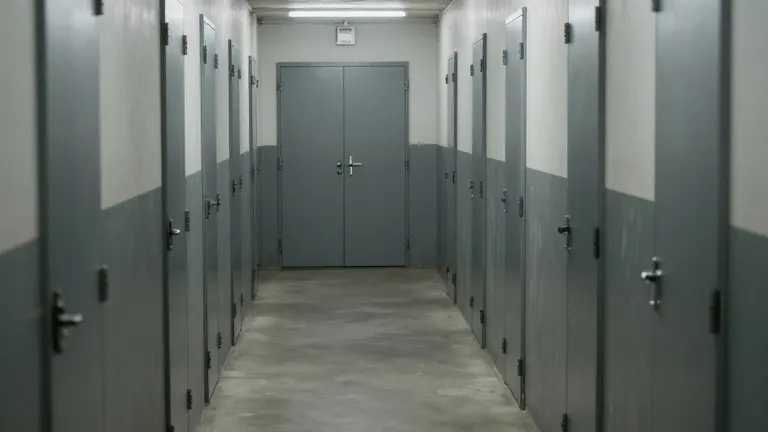
Sean McCleskey, the independent ombudsman for the Texas Juvenile Justice Department, reported to the agency’s oversight board on Friday that the August lockdown deteriorated conditions for both youth and staff. The statewide confinement, which began on August 14, kept more than 700 children in their cells for up to 23 hours a day for periods ranging from several days to several weeks.
McCleskey stated that the closure led to increased instances of self-harm and suicidal behavior among the children in custody. He noted that facilities often disregarded grievances filed by the youth during the confinement. Staff struggled to manage children who were hurting themselves and to escort them to restrooms, resulting in some children urinating or defecating in their rooms without toilets. At most facilities, children were denied phone calls to their families for weeks.
The agency previously used operational lockdowns to address staffing shortages, but those measures applied to one facility at a time for only a few hours daily. McCleskey described the recent event as an emergency action that should be reserved for critical situations. He argued that using a full facility lockdown for training purposes indicates a deeper problem with experienced personnel.
The decision to implement the lockdown followed an incident at the Gainesville facility where a teen assaulted an officer, sending the officer to the hospital. The officer had opened the youth’s room door while she was alone, a move that violated agency protocol. Former executive director Shandra Carter told staff and board members that the measure served as a safety reset to protect and train officers.
McCleskey’s findings align with a state advisory commission report released last week, which also concluded that the lockdown produced negative outcomes for children. His office determined that at three of the five facilities, the confinement had no effect on incidents of youth assaulting staff. Carter resigned abruptly last month without a public explanation of her reasons.
Chris Ellison, a former interim leader at the Brownwood facility, was fired after stating he refused to participate in the lockdown because he believed it violated youth rights regarding excessive punishment. Messages between Ellison and Carter obtained by The Texas Newsroom indicated that Carter sought a more punitive approach under external pressure. The ombudsman’s findings were presented to the board following the commission’s earlier release.
The next scheduled step involves the oversight board reviewing McCleskey’s full report and the commission’s findings to determine future operational guidelines for the department.