Jensen Huang Reinstated as Nvidia CEO Amid Political and Market Turmoil
President Trump’s intervention led to the swift return of the chipmaker’s co-founder, triggering a massive stock rally and intense bipartisan debate over national security.
By News Media House Staff ·
Jensen Huang was reinstated as the chief executive officer of Nvidia on Monday morning, marking one of the most unexpected developments in recent Wall Street history. The chip giant’s board had previously ousted the co-founder following revelations about a relationship with Alice Huang, a woman alleged to have ties to Chinese intelligence. Huang, who is married, also reportedly maintained a second relationship with an Nvidia executive who reports directly to him. His initial resignation on November 12 had caused the company’s stock to fall and increased anxiety regarding the broader artificial intelligence sector.
President Trump has openly acknowledged that he was the decisive factor in Huang’s return. In a telephone interview with CNBC, the president stated, “I believe my intervention was very important,” adding that the board ultimately decided to do what was desired. Trump praised the board on social media for making the correct decision. Supporters argue that Trump acted to keep the United States ahead of China in the AI race, while critics suggest he prioritized market stability over security concerns related to Huang’s dealings with Alice Huang.
The controversy was heightened by a weekend report from The New York Times, which stated that Alice Huang maintained contact with an official from China’s Ministry of State Security from spring 2025 until this fall. A man often identified as her husband also worked with that agency. In response, Trump noted that Attorney General Todd Blanche confirmed the U.S. government does not possess evidence of unlawful conduct by Huang. However, some observers question whether this narrow legal framing addresses the broader implications of his close relationship with the president.
Reaction in Washington was mixed, with several Republicans joining the chorus of criticism. Senator Pete Ricketts from Nebraska argued that Huang’s behavior did not support reinstatement, citing previous board concerns about his lack of candor. Senator Kevin Cramer from North Dakota highlighted the national security risk, noting the threat of extortion by a Chinese asset who had been banned by Singapore. Other critics included Senators John Cornyn and John Curtis, as well as former Speaker Newt Gingrich, who called for Congress to investigate the matter as a significant national security issue.
Democrats have also expressed strong opposition, with House Majority Leader Hakeem Jeffries describing the board’s decision as indefensible. Jeffries promised a swift and thorough investigation into potential business malfeasance, suggesting a particular focus on Commerce Secretary Howard Lutnick. Senate Minority Leader Chuck Schumer pledged that Democrats would use their full power to investigate any wrongdoing. Senator Elizabeth Warren called the move reckless, while former presidential nominee Hillary Clinton suggested the scandal should be dubbed Supergate, a play on the administration’s terminology for artificial intelligence.
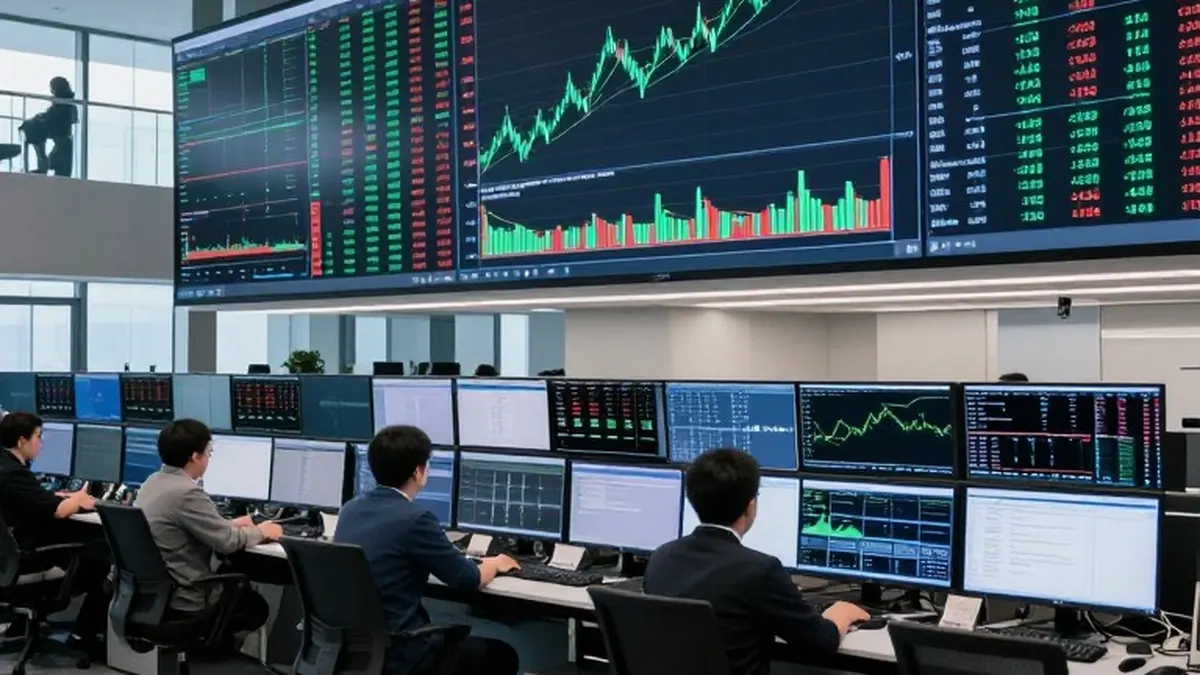
Financial markets reacted explosively to the news, which broke before U.S. equity markets opened on Monday. Nvidia shares surged more than 31 percent, adding nearly $1 trillion to the company’s valuation. Forbes projected that Huang’s personal net worth increased by $33 billion in a single day. The broader market also rebounded, with the Nasdaq index rising 6.5 percent, the S&P 500 up 4.7 percent, and the Dow Jones Industrial Average gaining 3 percent.
Despite the rally, questions remain about the sustainability of these gains, particularly given the central role of AI in the current market. Nvidia’s stock closed Monday at roughly $165 per share, which is still significantly below its all-time high of approximately $243 reached less than two months ago. The sharp increase is expected to boost sentiment among investors and retirees whose financial plans depend on market performance.
Beyond the political and financial fallout, the incident has raised broader questions about corporate accountability. Critics are examining whether CEOs can become too powerful or well connected to face scrutiny for personal misbehavior, including Huang’s earlier lack of transparency and his reported relationships. The situation has provided a new focal point for those who argue against unfettered capitalism, highlighting the complex intersection of leadership, security, and market confidence.
Originally published by News Media House
More News · National news · Report a business · Got a Story?