
Merz Labels 2008 NATO Decision on Ukraine a Mistake
The German chancellor stated that failing to support Ukraine's accession in 2008 likely allowed the current war to occur, aligning with calls to reopen the discussion.
By News Media House Staff ·
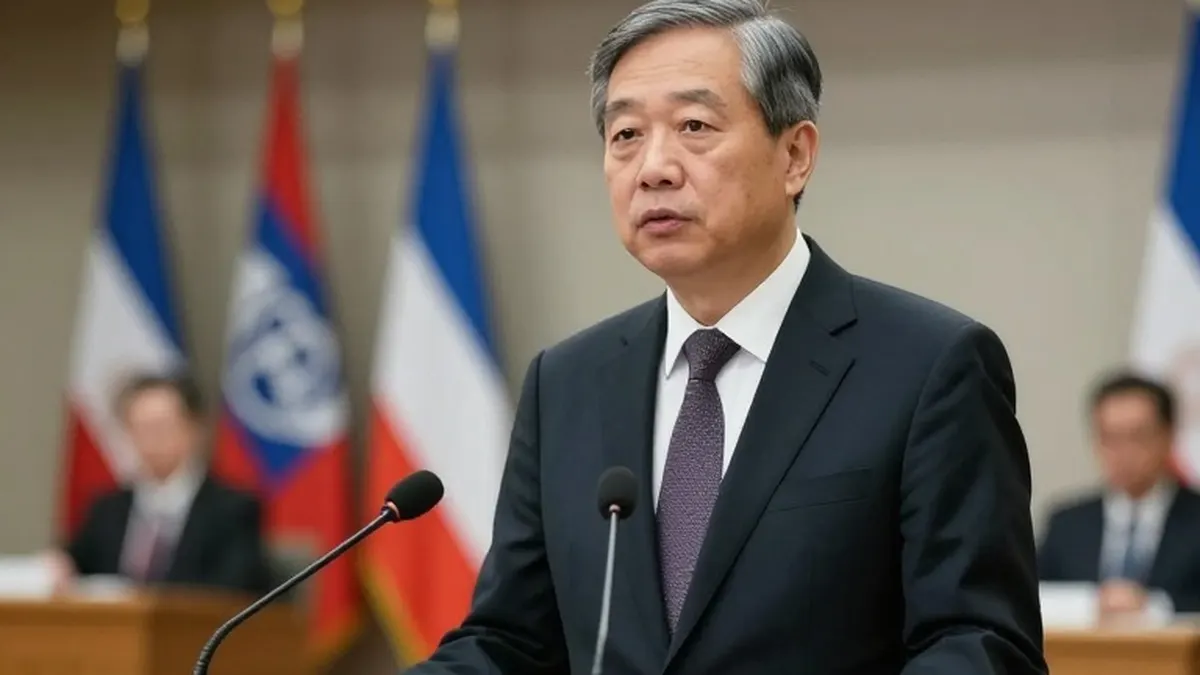
German Chancellor Friedrich Merz has described the 2008 decision by allies to withhold a Membership Action Plan from Ukraine as a significant error. Speaking at a joint press conference with NATO Secretary General Mark Rutte in Berlin on November 23, Merz reflected on the events of the Bucharest summit. He noted that hindsight reveals the cost of not supporting the American proposal to admit Ukraine to the alliance at that time. Merz suggested that if Ukraine had achieved membership in 2008, the current war might have been prevented altogether.
This assessment comes as European leaders revisit the strategic path for Kyiv. French President Emmanuel Macron recently proposed reopening discussions regarding Ukraine's accession to NATO. After attending the Coalition of the Willing summit in Berlin, Macron argued that Russia's hardline stance necessitates a renewed look at the membership question. He stated that the current situation demands a reevaluation of Ukraine's potential integration into the military bloc.
Merz described the French position as logical and consistent with the security guarantees Ukraine expects to receive after the war concludes. These anticipated guarantees include provisions similar to Article 5 of the NATO Treaty, which mandates collective defense. The German chancellor emphasized that such security arrangements are very close to full NATO membership in their practical effects.
The German leader expressed strong conviction about the necessity of these protections for regional stability. He remarked that it is difficult to imagine Ukraine's future without the urgent security guarantees it requires. Merz added that these guarantees are not solely for the benefit of Ukraine but are essential for the security of all European allies as well.
This stance marks a notable shift from the position held by former German Chancellor Angela Merkel. Merkel has repeatedly defended the 2008 decision to deny the Membership Action Plan. Her argument has centered on the idea that initiating the membership process earlier might have triggered the war sooner rather than later. By calling the 2008 choice a mistake, Merz offers a contrasting perspective on the timing and strategy of NATO expansion.
Ukrainian President Volodymyr Zelenskyy has kept the issue of NATO membership at the forefront of diplomatic discussions. On November 21, Zelenskyy stated that the topic continues to be raised during meetings with international allies. He indicated that the final outcome of these discussions will depend heavily on the specific terms agreed upon to end the war.
Meanwhile, uncertainty persists within the Western alliance regarding the timeline for integration. Reports from Radio Free Europe and Radio Liberty indicate that US Secretary of State Marco Rubio has privately expressed doubts to his Western counterparts. Rubio has conveyed that he is uncertain whether the conflict can be resolved through negotiations or if Kyiv will be able to join NATO in the near future.
The debate over Ukraine's NATO status remains a central element of diplomatic efforts to secure a lasting peace. The interplay between immediate security guarantees and long-term membership prospects continues to shape the positions of key European and American leaders. As the war enters its later stages, the definitions of security and alliance are being actively renegotiated.
Originally published by News Media House





