UN climate talks end in deadlock over fossil fuel transition
The COP31 summit in Turkiye concluded without a final agreement after oil-producing nations blocked key language on phasing out fossil fuels, leaving developing countries without promised financial support.
By News Media House Staff ·

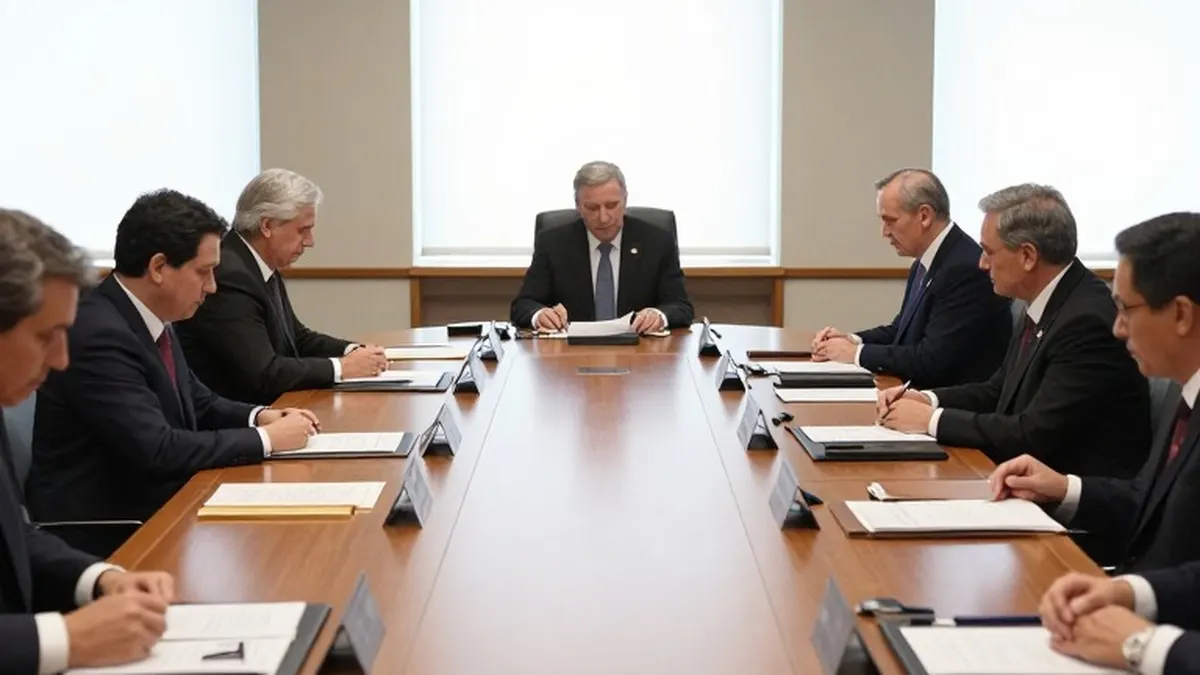
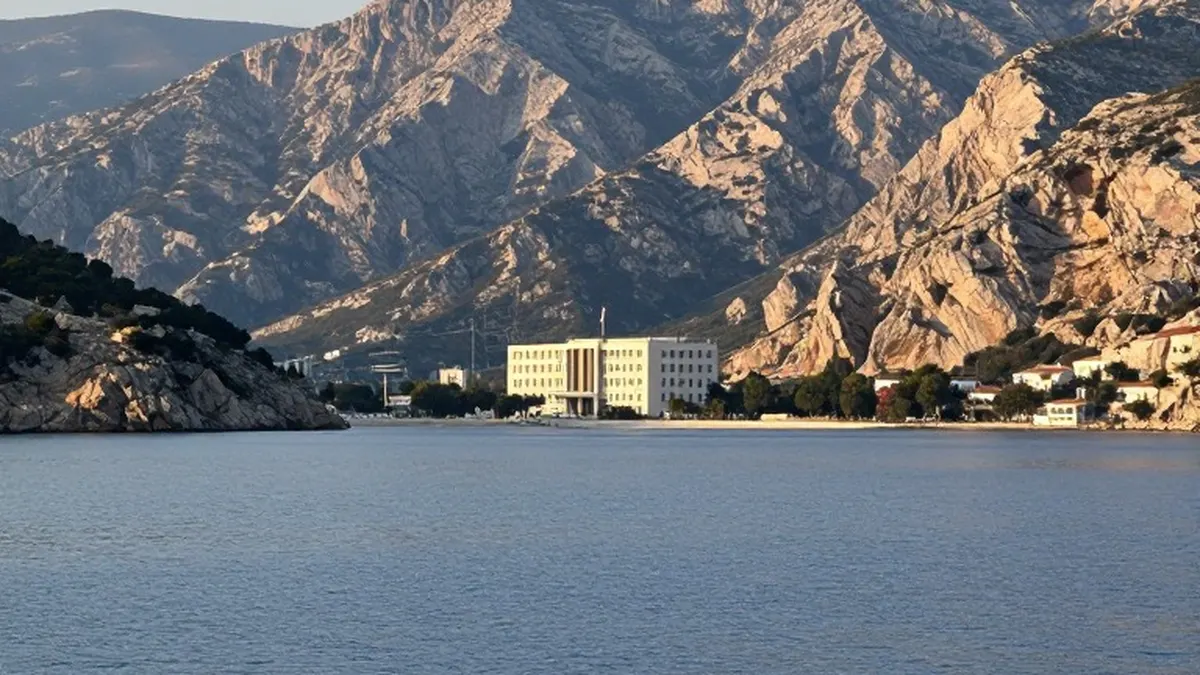
The United Nations climate conference known as COP31 concluded on Sunday in Antalya, Turkiye, after reaching a stalemate over the future of fossil fuels. The event, which lasted 11 days and stands as the longest in the history of UN climate summits, ended without a final deal. The European Union and other delegations rejected the proposed text, arguing that it was insufficient to effectively combat global warming.
The core of the disagreement centered on how to handle the transition away from coal, oil, and natural gas. Oil-producing states, including Saudi Arabia and other members of the Organization of the Petroleum Exporting Countries, opposed any explicit mention of phasing out fossil fuels. Instead, they advocated for carbon capture technology, a solution that critics have described as expensive and less effective than reducing emissions at the source.
Cosima Cassel, a programme lead at the environmental think tank E3G, noted that petrostates sought to slow the momentum of the energy transition. She attributed this strategy to recent disruptions in the Strait of Hormuz and the anticipated decline in income as global demand for fossil fuels decreases. The European Union and several vulnerable nations argued that a final agreement could not be accepted if it failed to address the primary driver of climate change.
The impasse was formalized when approximately 130 nations sent a letter to the conference presidency. The letter stated that any final deal must include a clear path for transitioning away from fossil fuels. However, the revised text released early on Sunday contained no such mention, instead highlighting carbon capture. This led to the angry rejection of the document by a large majority of participating countries.
A significant secondary issue was the lack of progress on climate finance. Developing nations required funds to transition their energy systems and respond to increasing natural disasters. Under the 2015 Paris Agreement, developed countries are obligated to provide this financial support. However, recent conflicts, including the US-Israeli war on Iran and Russia’s war on Ukraine, have strained national budgets. This has left wealthy nations hesitant to commit the trillions of dollars needed for climate finance.
Sebastien Duyck, a senior attorney at the Center for International Environmental Law, described the situation as hypocritical. He argued that wealthy developed countries cannot demand a just transition from others while failing to meet their own financial obligations. Duyck called for greater accountability and for major economies to deliver on their legal commitments before the next conference, COP32.
The collapse has intensified calls for reforming the UN’s consensus-based process, which requires all countries to agree on outcomes. While the commitment to transition away from fossil fuels was a landmark achievement at COP28 in Dubai, even that agreement stopped short of calling for a full phase-out. Many observers believe the COP process remains vital because it provides a platform where every country has a voice, despite the power imbalances between fossil fuel producers and those seeking a low-carbon world.
Alternative forums are gaining prominence as a result. The Global Climate Action Agenda, often referred to as the Action Agenda, is rising in importance. This voluntary pillar of the UN process brings together cities, businesses, financial institutions, and civil society. Cassel noted that this collaborative spirit contrasts sharply with the adversarial nature of formal negotiations. Additionally, a Santa Marta initiative convened 57 countries in April to promote non-binding cooperation on fossil fuel phase-out.
Legal frameworks are also evolving to support climate action. An advisory opinion from the International Court of Justice last year confirmed that states have a binding legal obligation to combat climate change. Duyck emphasized that the failure to agree at this conference does not diminish the clarity of the science or the binding nature of these legal obligations. He described a fair transition away from fossil fuels as both an imperative and a collective responsibility.
The UN Environment Programme reported last year that the world is very likely to exceed the 1.5C warming target within the next decade. Without meaningful action, the planet could warm by 2.3 to 2.5C by 2100. Joeri Rogelj, a professor of climate science at Imperial College London, suggested that a starting point for future efforts should be renewing the commitments made at COP28. These included tripling renewable energy capacity and doubling energy efficiency improvements by 2030. He warned that this failure risks delaying emissions reductions, with the poorest communities bearing the greatest consequences.
Originally published by News Media House