Federal Appeals Court Clears Army to Detonate Unstable Lead Azide in Iowa
The 8th Circuit Court of Appeals ruled that the Army can proceed with detonating unstable lead azide in Iowa, rejecting claims that the EPA failed to assess risks adequately.
By News Media House Staff ·
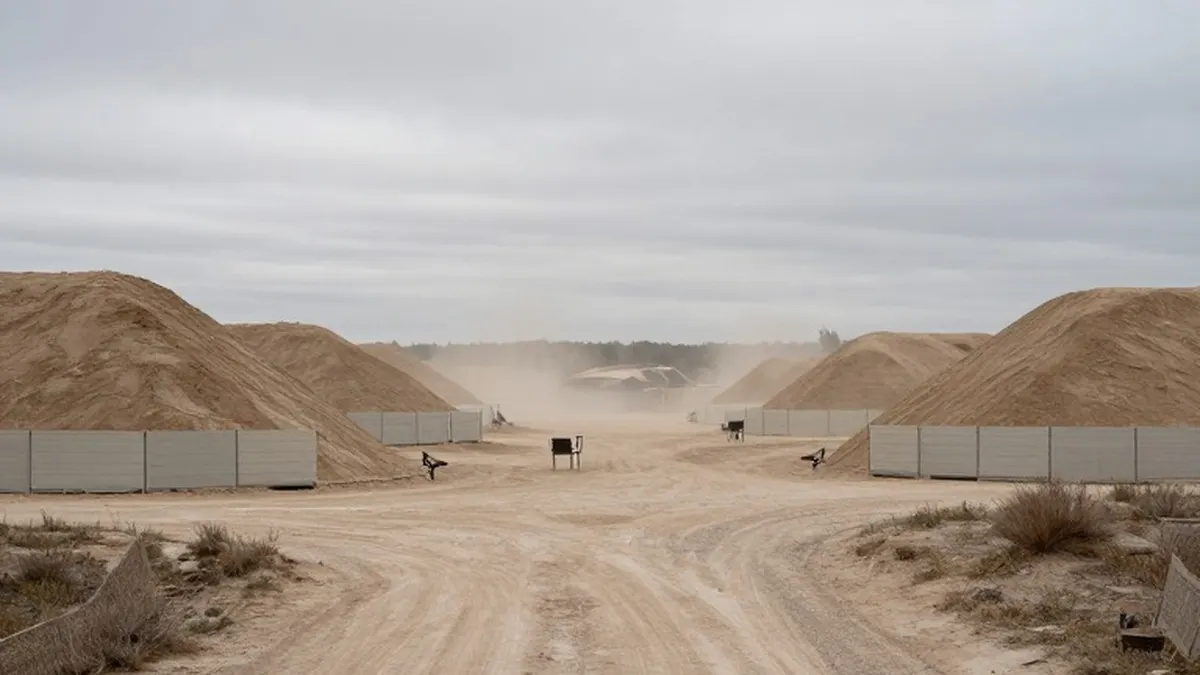
A federal appeals court issued a ruling on Monday that allows the United States Army to proceed with the controlled detonation of approximately five tons of lead azide explosives at its munitions plant in Iowa. The decision clears the legal path for the operation, which had been challenged by environmental groups who raised concerns about the potential release of toxic particles into the local environment.
The 8th Circuit Court of Appeals determined that the challengers had not demonstrated a high likelihood of success in their bid to stop the project. In the written ruling, the judges acknowledged the tangible risks associated with the detonation of the degraded chemical stores. However, they emphasized that the unstable explosives pose a significant danger of an uncontrolled and unplanned explosion if left in place, a scenario that would lack the safety measures included in the current permit.
President Donald Trump stated that the federal government intended to pause the detonation, which the Army had scheduled for Wednesday, until the appeals court issued its decision. Additionally, the President indicated that he would seek the approval of Iowa’s incoming Democratic governor, Rob Sand, even though the governor-elect’s signature is not technically required by law. Trump argued that government experts viewed detonation as the optimal solution to the crisis.
On social media, the President warned that if Governor Sand or the courts did not agree to the plan, the government would have no choice but to halt the controlled removal of the hazardous materials. He suggested that the incoming governor could be held responsible for any death or destruction resulting from the prolonged situation if the detonation was not carried out.
Governor-elect Sand responded by urging the administration to base its decision on the data gathered by the experts who have been on the ground in Middletown for several weeks. He emphasized that everyday Iowans have a right to understand how the situation in Middletown developed and why the administration believes this specific path is the best option for the community.
The Army has stored the lead azide in earthen-covered containers for decades at its ammunition plant in Middletown, a small town in southeastern Iowa near the Mississippi River. Earlier this year, the Environmental Protection Agency discovered that the material had deteriorated over time. This degradation has created a risk of explosion if the material is moved or disturbed. The Army argues that action is necessary before cold weather causes the lead azide crystals to break down further, increasing the likelihood of a spontaneous detonation.
The government also maintained that it has the legal authority to act without a permit if an immediate threat of an uncontrolled explosion exists. As part of the revised plan, the Army instructed residents to temporarily evacuate their homes for six hours. Officials warned that the public could expect loud noises, vibrations, and a dust plume during the process.
Environmental organizations and politicians from both Iowa and Illinois criticized the initial timeline and the method chosen for disposal. Groups such as the Sierra Club and the Iowa Environmental Council argued that the detonation would create a plume of lead dust that could blanket homes and communities, potentially affecting areas up to 100 miles away. They contended that the EPA failed to fully assess the risks or consider adequate alternatives.
The environmentalists also claimed that the Army operated on an extraordinarily rushed timeline, which prevented local residents from receiving sufficient notice. In its Monday decision, the panel of three appellate judges sided with the federal government. The court found that the EPA had adequately incorporated safeguards to mitigate risks, including physical barriers and environmental monitoring plans, and that the Army had considered a range of alternative options before choosing detonation.
Originally published by News Media House
More News · National news · Report a business · Got a Story?