Podiatrists Share Key Features for Selecting Supportive Slippers
Podiatrists advise on selecting slippers with proper arch support, correct fit, and durable materials to protect foot health and reduce stress on the body.
By News Media House Staff ·
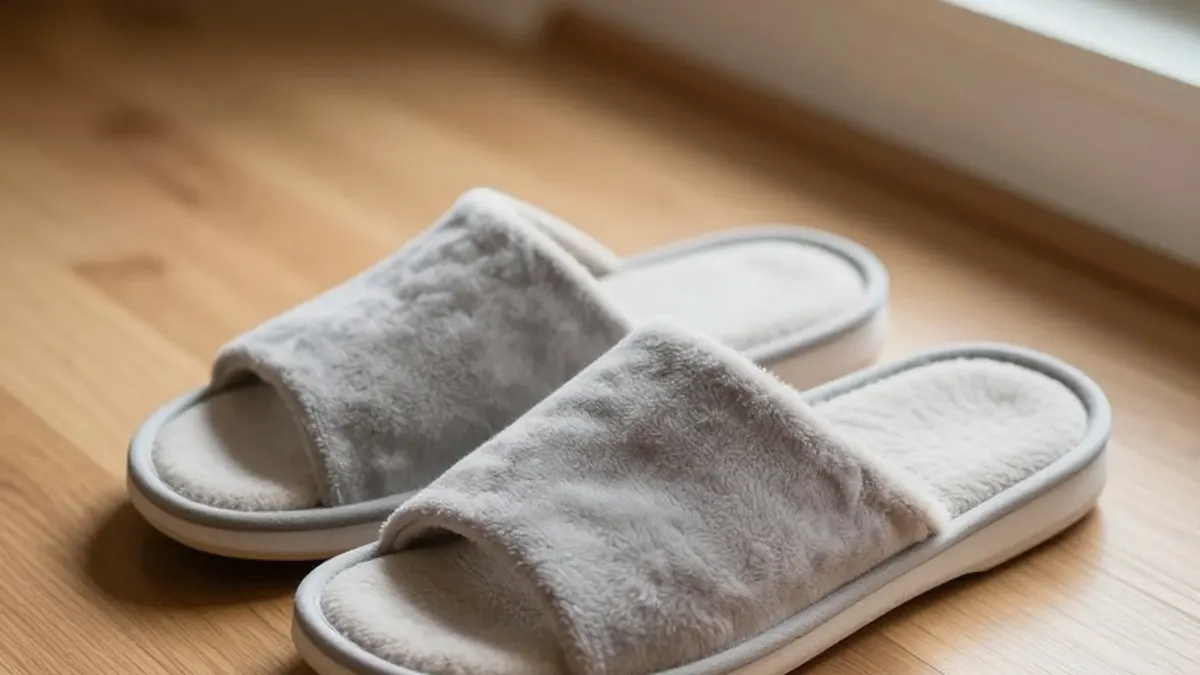
Proper footwear at home is essential for maintaining overall physical health, according to medical experts. Dr. Miguel Cunha, a podiatrist at Gotham Footcare in New York City, emphasizes that the feet serve as the foundation of the body. Without adequate support in indoor shoes, stress can propagate upward, potentially affecting the ankles, knees, and lower back. Therefore, selecting slippers that offer sufficient arch and heel support is a critical step in preventing long-term discomfort.
When evaluating footwear for home use, material selection plays a significant role in both comfort and functionality. Cunha advises consumers to consider the specific properties of different fabrics. Wool and suede are popular choices for their warmth and softness, while memory foam and ethylene vinyl acetate, known as EVA, provide superior cushioning and shock absorption. For those who tend to sweat, moisture-wicking materials are recommended, whereas breathable cotton is suitable for individuals who run hot. Underfoot, memory foam insoles help distribute weight evenly, and rubber outsoles offer necessary traction for both indoor and outdoor use.
The structural design of the slipper is another vital factor. Cunha recommends styles that fully enclose the heel, as they provide the highest level of security and support. A deep heel cup is considered a strong alternative, as it prevents the shoe from slipping off during movement. Backless designs are the least secure and may pose a tripping hazard, though they are often preferred by individuals with limited mobility due to their ease of use. Dr. Michael Trepal, a professor at the New York College of Podiatric Medicine, notes that while function should be the primary focus, consumers should also consider aesthetics to ensure they are comfortable wearing the shoes.
Proper fit is crucial to avoid common foot problems. Footwear that is too tight can cause blisters and pain, while shoes that are too large may lead to overgripping of the toes. This repetitive gripping can result in muscle spasms, plantar fasciitis, and even the formation of hammertoes. To determine the correct size, Cunha suggests trying on slippers at the end of the day. Feet tend to swell due to fluid retention as the day progresses, so shoes that fit comfortably during this time are likely to be comfortable throughout the day.
Consumers can also look for the American Podiatric Medical Association, or APMA, Seal of Acceptance or Approval. This seal indicates that a product has been reviewed by a group of podiatrists and deemed to promote foot health. While not all effective slippers carry this seal, its presence provides an additional layer of assurance regarding the shoe's supportive qualities. Brands must submit product data for review before earning the distinction.
Regular replacement of slippers is necessary to maintain their protective capabilities. Cunha advises replacing indoor shoes every six months to two years, depending on the level of wear and tear. As materials degrade, they lose their cushioning, support, and traction, which can negatively impact foot health. Signs that it is time for a new pair include a lack of perceived support or increased sliding of the feet within the shoe.
Wearing slippers at home offers benefits beyond comfort, such as protecting feet from bacteria, fungi, and sharp objects found on floors. This is particularly important in communal areas like apartment hallways. By prioritizing support, fit, and material quality, individuals can ensure that their indoor footwear contributes to their overall well-being rather than contributing to physical strain.
Originally published by News Media House
More News · National news · Report a business · Got a Story?